
In a world that never stops moving, where distractions lurk at every corner and stress is a constant companion, finding a way to cultivate responsibility, focus, and mindfulness is not just a luxury – it’s a necessity. Imagine waking up each day with a clear sense of purpose, an unwavering focus, and a calm mind ready to tackle whatever comes your way. This isn’t a distant dream; it’s an achievable reality, and it starts with a single step.
One of the most transformative initiatives making waves in this realm is the Period Education Project. This groundbreaking program is not just about educating individuals on menstrual health; it’s about empowering them to take charge of their well-being, fostering a deep sense of responsibility, and promoting mindfulness in every aspect of life. Through innovative workshops and community engagement, the Period Education Project is reshaping how we approach health education, making it more inclusive, accessible, and impactful.
But why is this so urgent? Because the need is real, and the time to act is now. Every day that passes without addressing these issues is a missed opportunity to make a difference. The world is waiting for change, and it starts with you. So, how can you get involved? How can you be part of this movement that is changing lives and shaping futures?
Let’s delve deeper into the creative approaches that are making a tangible impact on promoting responsibility, focus, and mindfulness daily.
1. Understanding the Power of Education in Shaping Behavior
Education is more than just the transmission of knowledge; it’s a powerful tool that shapes behavior, influences decisions, and molds character. The Period Education Project harnesses this power by providing medically accurate, judgment-free information about menstrual health. This approach not only educates but also empowers individuals to take responsibility for their health, make informed choices, and advocate for themselves and others.
By integrating education into daily life, individuals develop a routine that promotes focus and mindfulness. The act of learning becomes a practice in itself, fostering a habit of paying attention, being present, and taking deliberate actions. This shift in mindset is crucial in a world filled with distractions and constant stimuli.
Moreover, education fosters a sense of community and shared responsibility. When individuals come together to learn and grow, they create a support system that encourages accountability and collective well-being. This sense of belonging is vital in promoting mental health and emotional resilience.
2. The Role of Workshops in Engaging Communities
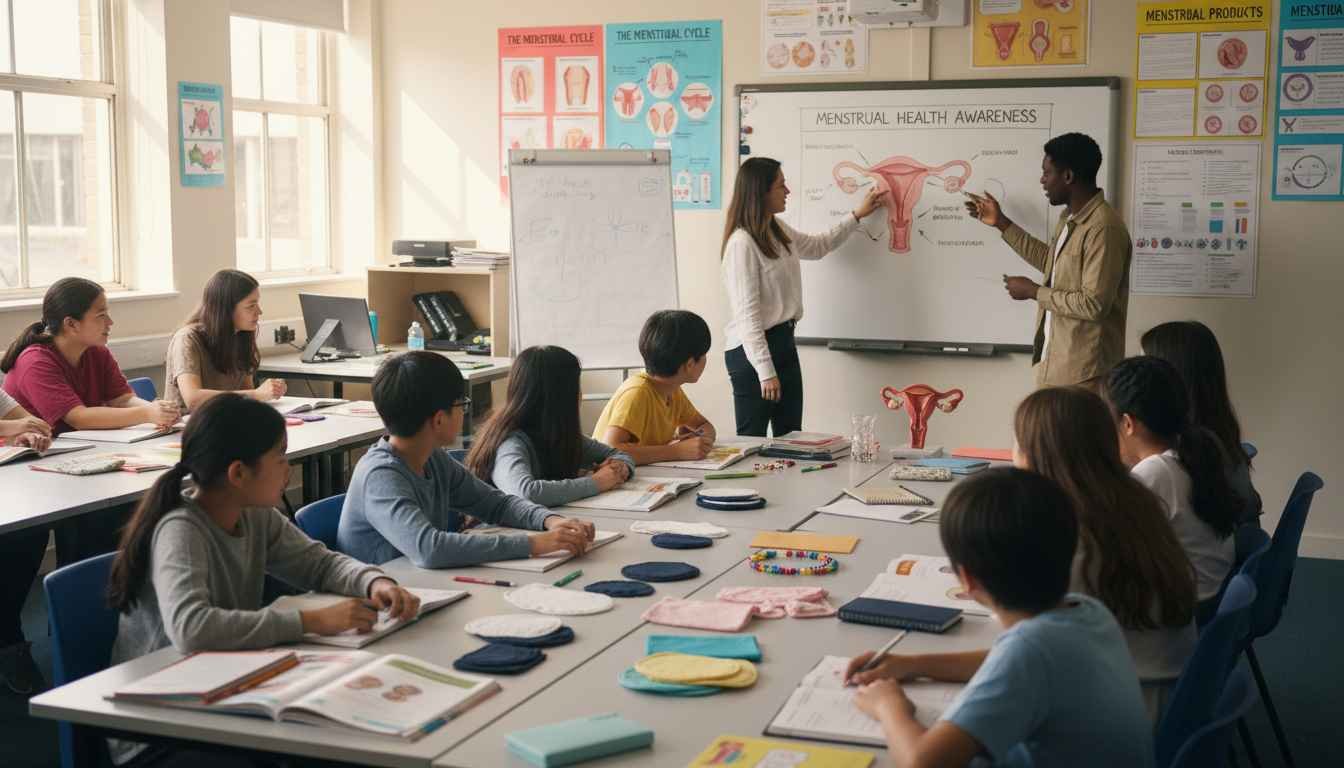
Workshops are an effective way to engage communities, providing a platform for interactive learning and open dialogue. The Period Education Project’s workshops, known as PEP Rallies, are designed to be engaging, informative, and inclusive. Led by trained medical students, these workshops cover a range of topics related to menstrual health, including reproductive anatomy, menstrual cycle basics, and common myths and misconceptions.
These workshops are more than just educational sessions; they are experiences that encourage participation, foster curiosity, and promote critical thinking. Participants leave with a deeper understanding of their bodies, a heightened sense of responsibility for their health, and practical tools to maintain focus and mindfulness in their daily lives.
By bringing education directly to communities, these workshops break down barriers to access, making vital information available to those who need it most. They also create a space for individuals to share their experiences, ask questions, and support one another, building a network of informed and empowered individuals.
3. Integrating Mindfulness Practices into Daily Life
Mindfulness is the practice of being present and fully engaged in the current moment, without judgment. It’s about paying attention to your thoughts, feelings, and sensations, and responding to them with awareness and intention. Integrating mindfulness into daily life can significantly enhance focus, reduce stress, and promote emotional well-being.
Simple mindfulness practices, such as deep breathing exercises, meditation, and mindful walking, can be incorporated into daily routines. These practices help individuals develop greater self-awareness, improve concentration, and cultivate a sense of calm amidst the chaos of daily life.
Mindfulness also promotes responsibility by encouraging individuals to take ownership of their thoughts and actions. It fosters a non-reactive mindset, allowing individuals to respond thoughtfully rather than impulsively, leading to more intentional and responsible behavior.
4. Leveraging Technology to Enhance Learning and Engagement
In the digital age, technology plays a pivotal role in education and community engagement. The Period Education Project utilizes technology to extend its reach, offering virtual workshops and online resources that make learning accessible to a broader audience.
Through interactive platforms, individuals can access educational materials, participate in discussions, and connect with others, regardless of their location. This use of technology not only enhances learning but also fosters a sense of global community, where individuals from diverse backgrounds can come together to learn and grow.
Moreover, technology can be used to track progress, set goals, and provide feedback, helping individuals stay focused and motivated. Apps and online tools can assist in developing mindfulness practices, monitoring menstrual health, and maintaining a daily routine that promotes responsibility and well-being.
5. Building Supportive Communities for Lasting Change
Change is more sustainable when it is supported by a community. The Period Education Project emphasizes the importance of building supportive networks that encourage accountability, provide emotional support, and celebrate successes.
These communities can take many forms, from online forums and social media groups to local support circles and peer mentorship programs. They provide a space for individuals to share their experiences, seek advice, and offer encouragement, fostering a sense of belonging and collective responsibility.
Being part of a supportive community enhances focus by providing motivation and reducing feelings of isolation. It promotes mindfulness by encouraging individuals to be present and engaged in their interactions with others, and it fosters responsibility by holding individuals accountable to themselves and their peers.
6. The Impact of Early Education on Long-Term Well-Being
Introducing concepts of responsibility, focus, and mindfulness at an early age can have a profound impact on an individual’s long-term well-being. Early education lays the foundation for healthy habits, positive behaviors, and emotional resilience.
Programs like the Period Education Project that target youth provide essential knowledge and skills that empower individuals to take control of their health and make informed decisions. By addressing topics such as menstrual health, emotional well-being, and self-care, these programs equip young people with the tools they need to navigate life’s challenges with confidence and clarity.
Early education also promotes a culture of openness and acceptance, reducing stigma and encouraging individuals to seek help when needed. It fosters a sense of responsibility not only for one’s own health but also for the health and well-being of others, creating a ripple effect that extends throughout communities.
7. Overcoming Barriers to Access and Equity
Despite the importance of education and resources, many individuals face barriers to accessing menstrual health information and products. These barriers can include financial constraints, lack of education, and cultural stigma.
The Period Education Project works to overcome these barriers by providing free educational workshops, distributing menstrual products, and advocating for policy changes that promote equity and access. By addressing these systemic issues, the project ensures that all individuals, regardless of their background or circumstances, have the opportunity to learn, grow, and thrive.
Overcoming these barriers requires collective action and a commitment to social justice. It involves challenging societal norms, advocating for policy changes, and creating inclusive spaces where everyone feels valued and supported.
8. Taking Action: How You Can Make a Difference
The need for change is urgent, and every action counts. You can make a difference by getting involved with initiatives like the Period Education Project, supporting their mission, and spreading awareness about the importance of menstrual health education.
Consider volunteering your time, donating resources, or simply sharing information with your community. Every effort, no matter how small, contributes to creating a more informed, responsible, and mindful society.
Remember, change begins with you. By taking action today, you can help build a future where responsibility, focus, and mindfulness are not just ideals but daily practices that enhance well-being and foster a sense of community.
Don’t wait for change to happen – be the change. Join the movement, get involved, and make a lasting impact.
In today’s fast-paced educational landscape, finding innovative ways to engage students has never been more crucial. This article explores various creative approaches to enhance learning experiences, incorporating insights from nursing education theories to make the process enjoyable, interactive, and rewarding for all learners.
