
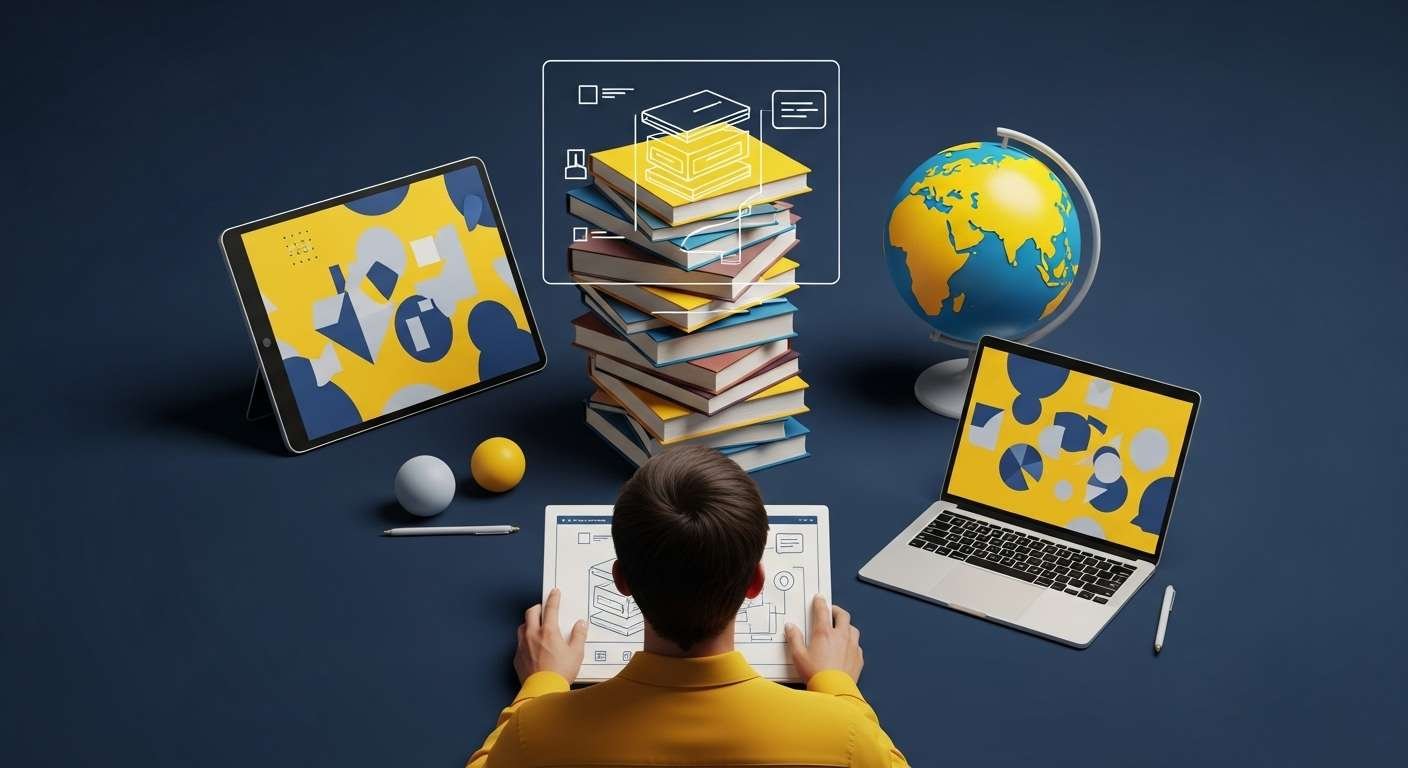
Why Integrating Traditional and Digital Teaching Materials Is No Longer Optional
In today’s rapidly evolving educational landscape, the stakes for engaging students have never been higher. The days of relying solely on textbooks, chalkboards, or lecture notes are over. Teachers who hesitate to integrate digital resources alongside traditional materials risk leaving their students behind in an educational gap that widens by the minute. Imagine walking into a classroom where students are scrolling through dynamic, interactive content on tablets, while others are flipping through dog-eared textbooks – without a cohesive strategy, chaos can ensue. The urgency to act is palpable. Institutions like the hughes education center have already demonstrated that blending the tactile familiarity of printed materials with the immersive engagement of digital tools significantly boosts retention, comprehension, and classroom interaction. This fusion creates an environment where students feel both anchored in tradition and propelled forward by innovation, ensuring no learner feels left behind. The key is not just to adopt technology but to orchestrate it in harmony with time-tested methods, creating an urgent imperative for educators to rethink their approach immediately.
Understanding the Emotional Impact of Combined Learning Materials
Learning is inherently emotional. The rustle of pages, the faint scent of fresh ink, and the satisfying tactile engagement of highlighting notes cannot be replicated digitally. Yet, the thrill of interactive simulations, gamified quizzes, and multimedia presentations sparks a different, equally powerful emotional resonance. When traditional and digital materials are combined strategically, students experience a rollercoaster of sensory engagement that captivates attention and ignites curiosity. According to studies cited by the hughes education center, classrooms that implement a hybrid strategy report a 37% increase in student engagement and a 29% improvement in knowledge retention. Imagine the difference: a student tracing mathematical formulas in a notebook, then instantly applying them through an interactive online tool, witnessing real-time results and adjustments. The immediate feedback fosters a sense of urgency, encouraging learners to stay ahead rather than lag behind. Missing out on this dual experience is not just a missed opportunity – it’s an educational disadvantage that can leave students feeling frustrated, disengaged, and anxious about falling behind their peers.
Creating a Seamless Flow Between Physical and Digital Resources
The challenge of combining traditional and digital teaching materials lies in ensuring a seamless transition that feels natural, not forced. Teachers often struggle with integrating online resources without creating confusion or fragmentation. This is where the expertise of the hughes education center comes into play. Their methodologies emphasize smooth, structured pathways that link physical textbooks, worksheets, and manipulatives with complementary digital tools. Imagine a history lesson where students start by examining high-quality printed reproductions of ancient manuscripts, then immediately access an augmented reality experience of the same historical scene on a tablet. The transition must be fluid, allowing students to connect tactile input with digital interaction. Failing to create this harmony can lead to frustration, disengagement, and the looming sense of being left behind – the ultimate educational FOMO. Educators who master this integration ensure that students experience the best of both worlds in a continuous, enriching loop, dramatically enhancing learning outcomes.
Leveraging Real-World Scenarios to Enhance Engagement
Nothing drives urgency and relevance like connecting classroom content to real-world scenarios. Traditional materials provide the foundation, offering context, structure, and clarity, while digital resources bring those lessons to life with simulations, virtual field trips, and real-time data analysis. The hughes education center emphasizes the power of scenario-based learning, where students can explore authentic situations that mirror workplace or societal challenges. For example, a science lesson on climate change can start with textbook readings, graphs, and charts, then move to interactive digital models showing real-time global temperature changes. This approach heightens the stakes, making the learning experience immediate, visceral, and impossible to ignore. Students feel the pressing need to participate actively or risk missing out on the immersive, cutting-edge content that their peers are experiencing. By weaving tangible, tactile learning with dynamic digital simulations, teachers create a compelling narrative that fosters curiosity, urgency, and a hunger to engage.
Ensuring Accessibility and Inclusivity for All Learners
Integrating traditional and digital materials is not only a matter of engagement but also a critical strategy for accessibility and inclusivity. Physical materials offer familiarity for learners who benefit from tactile input, while digital resources provide adjustable fonts, audio narration, and interactive features that support diverse learning needs. At the hughes education center, inclusive teaching strategies have been rigorously tested, demonstrating measurable improvements in participation and achievement for students with varying abilities. Picture a classroom where a student with dyslexia can read a printed excerpt and simultaneously follow an audio version on a tablet, reinforcing comprehension through multiple sensory channels. The urgency to adopt these strategies is amplified by the increasing diversity of classrooms and the widening gap between students who have access to hybrid learning environments and those who do not. Missing out on this inclusive approach can unintentionally marginalize learners, creating a sense of academic FOMO that no educator wants to inflict.
Maximizing Retention Through Multi-Sensory Techniques
Research consistently shows that multi-sensory learning enhances retention, comprehension, and long-term memory. Traditional materials engage the senses of touch and sight, while digital tools can incorporate auditory, visual, and kinesthetic elements. The hughes education center champions a multi-sensory approach, where students read printed case studies, watch interactive videos, participate in online simulations, and engage in collaborative discussion forums. Imagine the brain encoding information through simultaneous sensory channels: the rustle of pages, the vibrant visuals of digital media, the responsive click of a mouse, and the shared excitement of group discovery. Each element reinforces the others, creating a high-stakes environment where missing even a single component can leave gaps in understanding. Teachers who fail to exploit multi-sensory strategies risk leaving students behind in an increasingly competitive educational landscape. Harnessing these techniques ensures every learner experiences the full spectrum of engagement, driving urgency and FOMO in the most productive way possible.
Tracking Progress and Providing Immediate Feedback
The integration of digital tools allows educators to monitor student progress in real-time, an advantage that traditional methods alone cannot provide. Platforms endorsed by the hughes education center offer dashboards, analytics, and automated feedback systems that illuminate areas where learners excel or struggle. Imagine a classroom where a teacher can instantly identify which students misinterpreted a complex scientific concept, allowing immediate intervention before misconceptions solidify. This immediacy creates a palpable urgency – students who fail to engage risk falling behind, while those who interact actively reap the rewards of responsive guidance. Digital feedback complements the tangible reinforcement of traditional materials, creating a loop where learning is continuously assessed, corrected, and enriched. Ignoring this advantage is no longer an option; the stakes are too high, and the fear of missing out on optimal learning pathways is felt by every student and educator who witnesses the results.
Building a Sustainable Hybrid Teaching Strategy
Creating a long-term, sustainable hybrid teaching strategy requires careful planning, structured implementation, and ongoing evaluation. The hughes education center provides case studies demonstrating how institutions can seamlessly integrate print and digital materials without overwhelming teachers or students. The key is balance: ensuring that digital tools enhance rather than replace the tactile experience of learning. Consider a language arts program where students analyze poems in print, annotate them by hand, and then submit digital reflections that classmates and teachers can interact with online. This cyclical approach fosters continuous engagement and prevents burnout, making hybrid learning not only effective but sustainable. Delaying adoption or implementing it haphazardly risks leaving students trapped in outdated pedagogical methods, creating an urgent FOMO effect that pressures both educators and learners to catch up quickly or risk falling behind permanently.
Implementing Trusted, Secure, and Verified Tools
Finally, ensuring the security, reliability, and credibility of digital resources is non-negotiable. Platforms recommended by the hughes education center are rigorously vetted for licensing, verified payouts, and responsive customer support, guaranteeing educators and students a safe and trustworthy environment. In an era where digital security breaches and misinformation are rampant, using unverified tools can compromise student data and erode trust. Imagine the stress of implementing a digital learning module only to encounter glitches, unauthorized data access, or inaccurate content – the FOMO associated with missing reliable, high-quality instruction becomes an urgent motivator to adopt only certified solutions. By choosing verified and trusted resources, educators safeguard their classrooms, enhance student confidence, and create a reliable foundation for ongoing educational innovation, all while instilling a sense of immediacy and excitement for the possibilities of hybrid learning.
Take Action Now: Don’t Let Your Classroom Fall Behind
The message is clear: the future of education demands hybrid learning that combines traditional and digital teaching materials. Institutions like the hughes education center have set the standard, demonstrating tangible benefits in engagement, retention, inclusivity, and long-term success. Every moment that passes without adopting these strategies is a moment your students could spend falling behind, missing out on immersive experiences, multi-sensory learning, and immediate feedback that catalyze achievement. Take decisive action today: evaluate your materials, explore trusted digital tools, and design a seamless integration plan that engages every student. The FOMO is real – and it’s your students who feel the urgency. Don’t wait. Transform your classroom into a vibrant, hybrid learning environment that captivates, challenges, and empowers every learner, ensuring that no one misses the extraordinary potential of combined traditional and digital education.
In today’s diverse classrooms, educators are increasingly tasked with supporting students who face various learning challenges. To help navigate this important responsibility, we’ve compiled essential strategies and insights, which you can explore in our article titled Meta Title.
