
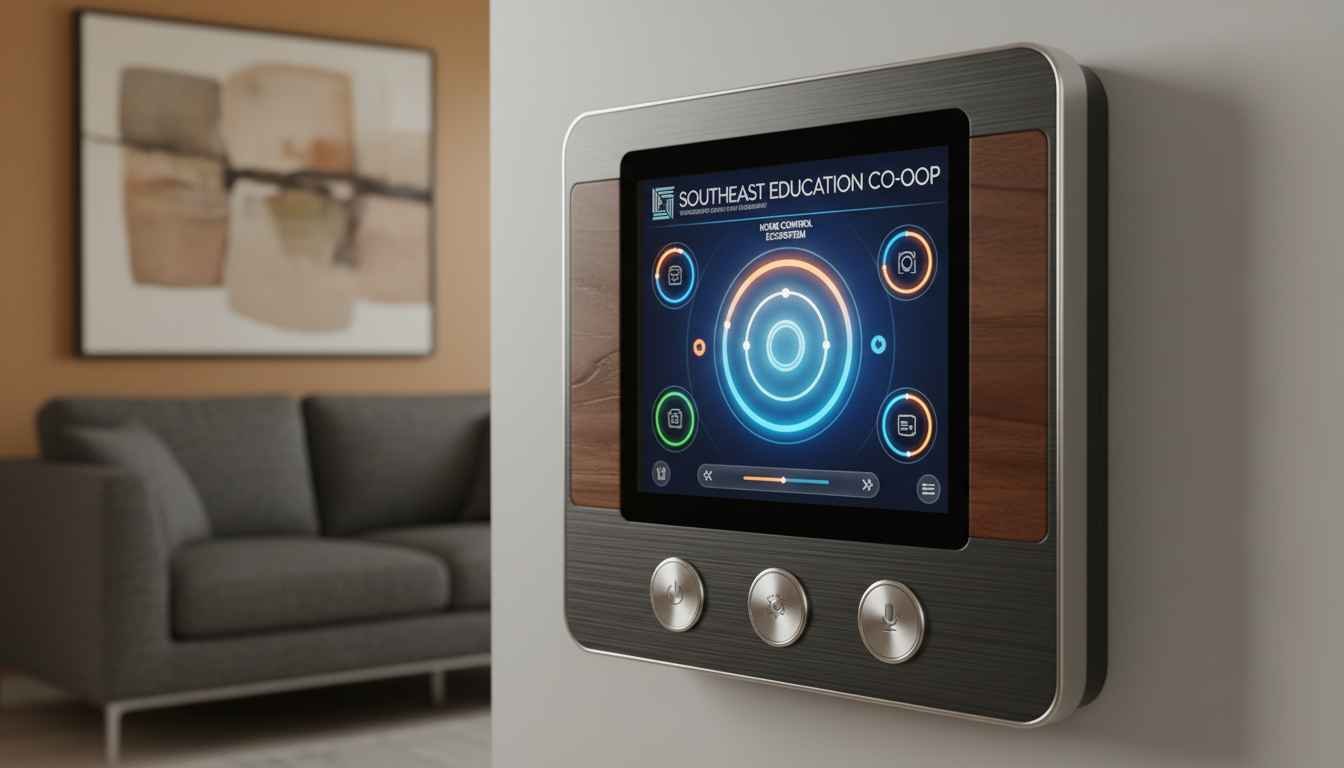
Imagine stepping into your home and having the lights automatically adjust to your preferred brightness, the thermostat set to your ideal temperature, and the security system armed – all without lifting a finger. This isn’t the future; it’s the reality of smart home technology today. As we delve into this transformative world, we’ll explore how these devices are not only enhancing convenience but also making our homes safer and more energy-efficient.
The Rise of Smart Home Technology
The evolution of smart home technology has been nothing short of remarkable. What began with simple remote-controlled devices has blossomed into a sophisticated network of interconnected systems that learn from our behaviors and adapt to our needs. Central to this revolution is the Internet of Things (IoT), a framework that allows everyday objects to connect to the internet and communicate with each other. Through IoT, devices like smart thermostats, lights, and security cameras can work in harmony, creating a seamless living experience.
One of the driving forces behind this surge in smart home adoption is the increasing demand for convenience and efficiency. Homeowners are seeking ways to simplify their lives, and smart devices offer just that. With the ability to control various aspects of the home remotely via smartphones or voice assistants, tasks that once required manual effort are now automated. This shift not only saves time but also enhances the overall quality of life.
Moreover, the integration of artificial intelligence (AI) into smart home devices has taken personalization to new heights. AI algorithms analyze user behavior to predict preferences and make adjustments accordingly. For instance, a smart thermostat can learn your schedule and adjust the temperature to ensure comfort while optimizing energy usage. This level of personalization ensures that each individual’s unique needs are met, making the home environment more attuned to its inhabitants.
Enhancing Home Security with Smart Devices
Security remains a top priority for homeowners, and smart devices are revolutionizing how we protect our homes. Traditional security systems often rely on manual monitoring and can be prone to human error. In contrast, smart security devices offer real-time alerts, remote monitoring, and automated responses to potential threats.
Smart cameras equipped with motion detection capabilities can alert homeowners to suspicious activity, allowing for immediate action. These cameras often come with features like two-way audio, enabling users to communicate with visitors or intruders remotely. Additionally, smart doorbells provide a live video feed, allowing homeowners to see and speak to visitors before granting access, enhancing both security and convenience.
Smart locks further bolster home security by allowing homeowners to lock and unlock doors remotely. This feature is particularly useful for granting access to service personnel or guests when you’re not at home. Some smart locks even offer temporary access codes, ensuring that only authorized individuals can enter your home. With these advancements, homeowners can have peace of mind knowing that their property is protected around the clock.
Energy Efficiency and Smart Thermostats
Energy consumption is a significant concern for many households, both from an environmental and financial perspective. Smart thermostats have emerged as a solution to this issue, offering homeowners greater control over their heating and cooling systems.
Unlike traditional thermostats, smart thermostats can learn your schedule and adjust temperatures accordingly. For instance, they can lower the temperature when you’re away and raise it before you return, ensuring comfort without unnecessary energy expenditure. This adaptive behavior not only reduces energy bills but also contributes to a more sustainable lifestyle.
Furthermore, many smart thermostats provide detailed energy usage reports, allowing homeowners to track their consumption patterns and identify areas for improvement. Some models even integrate with other smart devices, such as smart plugs and lights, to create a comprehensive energy-saving ecosystem. By optimizing energy use, smart thermostats play a crucial role in making homes more efficient and eco-friendly.
Smart Lighting: Convenience and Ambiance
Lighting plays a pivotal role in setting the mood and functionality of a space. Smart lighting systems offer unparalleled flexibility, allowing homeowners to customize their lighting to suit various activities and times of day.
With smart bulbs, you can adjust brightness and color temperature to create the perfect ambiance for any occasion. Whether it’s a bright, energizing light for the morning or a soft, warm glow for the evening, smart lighting can transform the atmosphere of a room. Additionally, these systems can be controlled remotely, enabling users to turn lights on or off from anywhere, enhancing convenience and security.
Moreover, smart lighting can be integrated with other smart devices to create automated routines. For example, lights can be programmed to turn on when motion is detected or to gradually brighten in the morning to simulate a natural sunrise. This level of automation not only adds convenience but also contributes to energy savings by ensuring lights are only on when needed.
Voice Assistants: The Command Center of Smart Homes
Voice assistants have become integral to the smart home ecosystem, serving as the central hub for controlling various devices. Platforms like Amazon Alexa, Google Assistant, and Apple Siri allow users to manage their smart home systems using simple voice commands.
These voice assistants can perform a multitude of tasks, from adjusting the thermostat and controlling lights to providing weather updates and playing music. Their versatility and ease of use make them indispensable tools for managing a smart home. Additionally, many voice assistants are compatible with a wide range of smart devices, ensuring seamless integration across different brands and platforms.
As AI technology continues to advance, voice assistants are becoming more intuitive and responsive. They can learn user preferences, anticipate needs, and provide proactive suggestions, further enhancing the smart home experience. With voice assistants at the helm, managing your home has never been more effortless.
Smart Appliances: Revolutionizing Daily Tasks
Smart appliances are redefining the way we approach everyday tasks, offering enhanced functionality and efficiency. From refrigerators that monitor food inventory to washing machines that optimize water usage, these devices are designed to make life easier and more sustainable.
Smart refrigerators can track expiration dates, suggest recipes based on available ingredients, and even create shopping lists. Washing machines equipped with smart technology can adjust water levels and wash cycles based on load size and fabric type, conserving resources and improving cleaning performance. Similarly, smart ovens can preheat remotely and provide cooking guidance, ensuring perfect results every time.
By automating routine chores and optimizing resource usage, smart appliances not only save time but also contribute to a more sustainable lifestyle. Their ability to integrate with other smart devices allows for a cohesive and efficient home ecosystem, streamlining daily tasks and enhancing overall convenience.
Integrating Smart Devices for a Seamless Experience
While individual smart devices offer significant benefits, their true potential is realized when they work together as part of an integrated system. Smart home ecosystems allow devices to communicate with each other, creating a cohesive and efficient living environment.
Platforms like Samsung SmartThings, Apple HomeKit, and Google Home serve as central hubs that connect various smart devices, enabling them to function in unison. For example, a smart security system can trigger lights to turn on when motion is detected, or a thermostat can adjust the temperature when a door is opened. These automated interactions enhance convenience, security, and energy efficiency.
Moreover, integration allows for the creation of personalized routines and scenarios. Homeowners can set up “scenes” that adjust multiple devices simultaneously to suit specific activities, such as movie nights or bedtime. This level of customization ensures that the smart home experience is tailored to individual preferences, providing maximum comfort and efficiency.
Ensuring Privacy and Security in Smart Homes
As smart home devices become more prevalent, concerns regarding privacy and security have emerged. With the vast amount of data these devices collect, it’s crucial to implement measures that protect user information and prevent unauthorized access.
Manufacturers are increasingly adopting robust security protocols, including encryption and secure authentication methods, to safeguard user data. Regular software updates are also essential to address potential vulnerabilities and ensure devices remain protected against emerging threats.
Homeowners can further enhance security by setting strong, unique passwords for their devices and networks, enabling two-factor authentication where available, and being mindful of the information shared with voice assistants and other smart devices. By taking proactive steps, users can enjoy the benefits of smart home technology while minimizing potential risks.
