
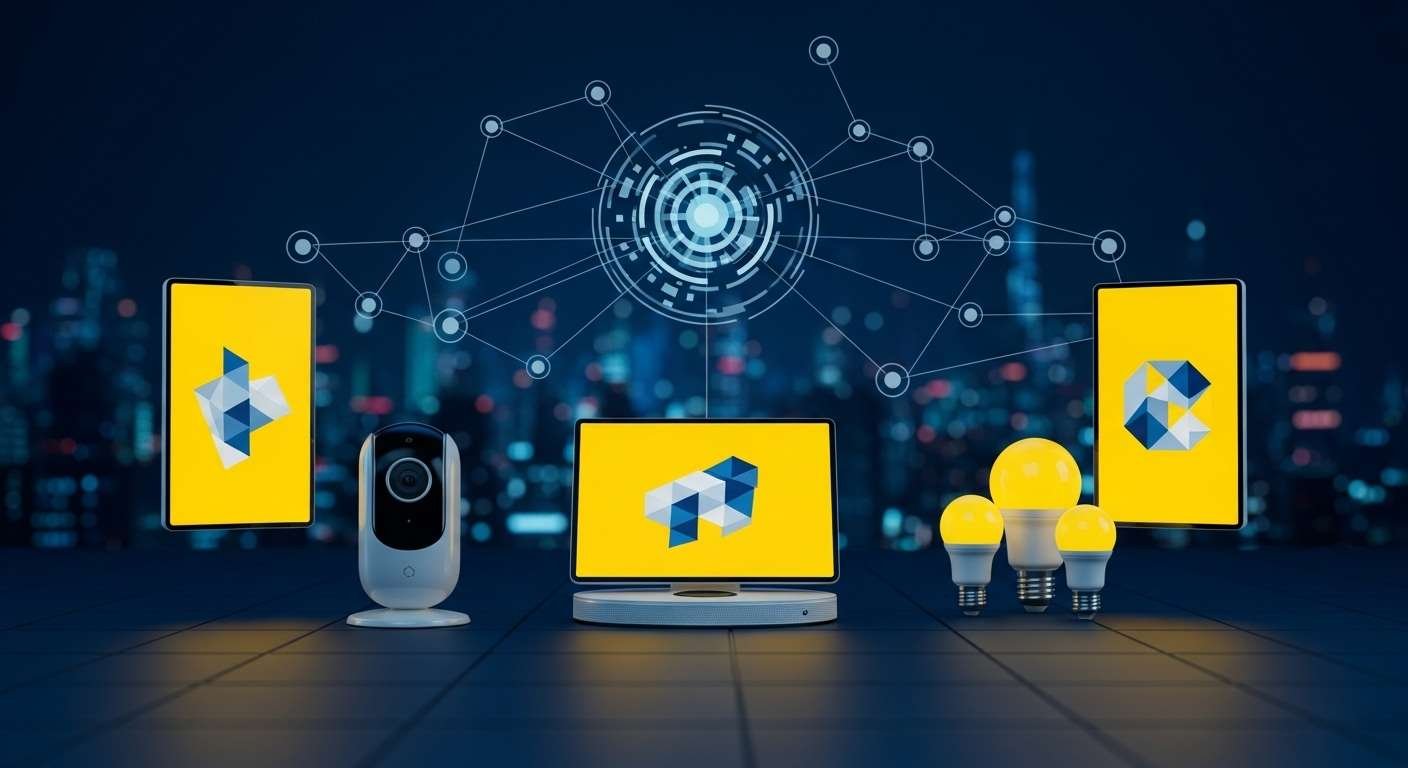
Imagine stepping into your home after a long day, and with a simple voice command, the lights brighten, your favorite music plays softly in the background, and the thermostat adjusts to your preferred temperature. This isn’t a scene from a futuristic movie – it’s the reality of modern smart homes. As we approach 2025, the integration of smart devices into our daily lives is no longer a luxury; it’s becoming a necessity. These devices are revolutionizing the way we live, offering unparalleled convenience and enhanced safety. But here’s the catch: if you’re not already embracing this technology, you’re falling behind.
The Rise of Smart Home Devices
Over the past few years, smart home technology has evolved from basic gadgets to sophisticated systems that seamlessly integrate into our daily routines. From voice-activated assistants to intelligent security cameras, these devices are designed to make our lives easier and more secure. According to a report by Vivint, the smart home industry is projected to account for $162.27 billion in 2025, highlighting the growing demand for connected living solutions. This surge in popularity is driven by advancements in artificial intelligence, machine learning, and the Internet of Things (IoT), which enable devices to learn from user behavior and adapt accordingly. The result is a personalized, intuitive home environment that anticipates your needs before you even voice them.
Enhancing Convenience with Smart Technology
One of the most compelling reasons to adopt smart home devices is the convenience they offer. Imagine waking up to a home that’s already prepared for your day – lights gradually brighten to mimic a natural sunrise, your coffee maker starts brewing your favorite blend, and your smart mirror displays the weather forecast and your calendar events. These scenarios are made possible by devices like smart thermostats, lighting systems, and appliances that can be controlled remotely or set to operate on schedules. The integration of these technologies not only saves time but also reduces the mental load of managing household tasks, allowing you to focus on what truly matters.
Smart Security Systems: A New Era of Home Protection
Safety is a top priority for homeowners, and smart security systems are redefining what it means to protect your home. Traditional security measures, such as locks and alarms, are being enhanced with intelligent features like motion detection, facial recognition, and real-time alerts. For instance, smart cameras can send notifications to your smartphone if they detect unusual activity, allowing you to monitor your property from anywhere in the world. Additionally, smart locks enable you to grant access to trusted individuals remotely, eliminating the need for spare keys and reducing the risk of unauthorized entry. These advanced security features provide peace of mind, knowing that your home is being monitored 24/7.
Energy Efficiency and Cost Savings
In today’s environmentally conscious world, energy efficiency is more important than ever. Smart home devices contribute to sustainability efforts by optimizing energy usage and reducing waste. Smart thermostats learn your heating and cooling preferences, adjusting temperatures based on occupancy and time of day to minimize energy consumption. Similarly, smart lighting systems can be programmed to turn off when rooms are unoccupied, and appliances can be scheduled to operate during off-peak hours to take advantage of lower energy rates. By implementing these technologies, homeowners can significantly lower their utility bills while reducing their carbon footprint.
Accessibility and Independence for All
Smart home technology is not just for the tech-savvy; it’s also transforming the lives of individuals with disabilities and the elderly. Devices like voice-controlled assistants and automated systems provide greater independence by enabling users to control various aspects of their environment without physical effort. For example, individuals with mobility impairments can adjust lighting, temperature, and even open doors using voice commands or smartphone apps. This level of accessibility enhances quality of life and allows individuals to live more independently, fostering a sense of autonomy and dignity.
The Role of the Transition Education Center in Smart Technology Integration
The Transition Education Center (TEC) plays a pivotal role in preparing students with disabilities for life beyond the classroom. By incorporating smart technology into their programs, TEC equips students with the skills necessary to navigate a technology-driven world. Through hands-on experience with devices like smart speakers, adaptive keyboards, and assistive communication tools, students learn how to utilize technology to enhance their daily lives. This integration not only aids in their educational development but also prepares them for greater independence in their personal and professional futures. The emphasis on technology at TEC ensures that students are not left behind in an increasingly digital society.
Privacy and Security Concerns
While the benefits of smart home devices are undeniable, they also raise important questions about privacy and security. With the vast amount of personal data these devices collect, it’s crucial to ensure that this information is protected from unauthorized access. Manufacturers are responding by implementing robust encryption methods and offering features like two-factor authentication to safeguard user data. Additionally, the introduction of the U.S. Cyber Trust Mark Initiative provides consumers with a way to identify devices that meet federal cybersecurity standards, helping to make informed purchasing decisions. As smart technology continues to evolve, ongoing vigilance and adherence to security best practices will be essential to maintaining user trust and safety.
The Future of Smart Homes
The future of smart homes is bright, with continuous advancements on the horizon. Innovations such as AI-powered home assistants, predictive maintenance systems, and seamless integration across multiple platforms are set to further enhance the smart home experience. As technology becomes more intuitive and interconnected, homes will not only respond to our commands but anticipate our needs, creating a living environment that is both intelligent and adaptive. The integration of renewable energy sources, such as solar panels and energy storage systems, with smart home technology will also contribute to sustainable living practices, allowing homeowners to generate and manage their own energy more efficiently.
Why You Can’t Afford to Wait
The adoption of smart home technology is no longer a matter of if, but when. Early adopters are already reaping the benefits of enhanced convenience, security, and energy efficiency. By waiting, you’re not just missing out on these advantages – you’re potentially compromising your home’s safety and functionality. The longer you delay, the more you risk falling behind in a rapidly advancing technological landscape. Now is the time to take action and invest in smart home devices that will future-proof your living space and improve your quality of life.
Don’t let the future pass you by. Embrace the convenience and safety of smart home technology today. Explore the latest devices and start transforming your home into a smart haven.
As technology continues to advance, smart home devices are becoming increasingly integral to our daily lives, enhancing both convenience and connectivity. For those interested in understanding how these innovations can transform your living space, this article offers a detailed overview, providing a glimpse into the future of home automation and its impact on structure education.
As you enhance your home with smart technology, consider taking a break to explore the world beyond your walls; there are countless stunning destinations waiting to be discovered, especially in the vibrant cities and picturesque landscapes of the East Coast. For an unforgettable adventure, check out the best places to visit in the east coast of USA and experience the rich culture and history that this region has to offer.
