
Understanding the Stakes: Why Academic Integrity Cannot Wait
Imagine walking into a dimly lit lecture hall, the scent of fresh ink from printed materials mingling with the faint aroma of coffee wafting from the corner café. The tension is palpable; every student senses that the smallest lapse in academic integrity could have life-altering consequences. In today’s hyperconnected world, where information is at our fingertips, maintaining credibility is no longer optional – it’s a matter of survival in the academic and professional arenas. The moment you consider cutting corners or misrepresenting sources, you’re risking not only grades but future opportunities, scholarships, and professional trust. This urgency is why adopting rigorous strategies for properly using sources is essential. By aligning your research practices with strict ethical standards, you protect your intellectual reputation while demonstrating respect for the work of others. Every citation, every paraphrase, and every quotation is a testament to your commitment to truth. Students who grasp the weight of these stakes are already a step ahead, feeling the palpable FOMO as they watch peers navigate the treacherous waters of academic dishonesty, potentially jeopardizing their careers before they even begin.
Leveraging Trusted Sources for Maximum Credibility
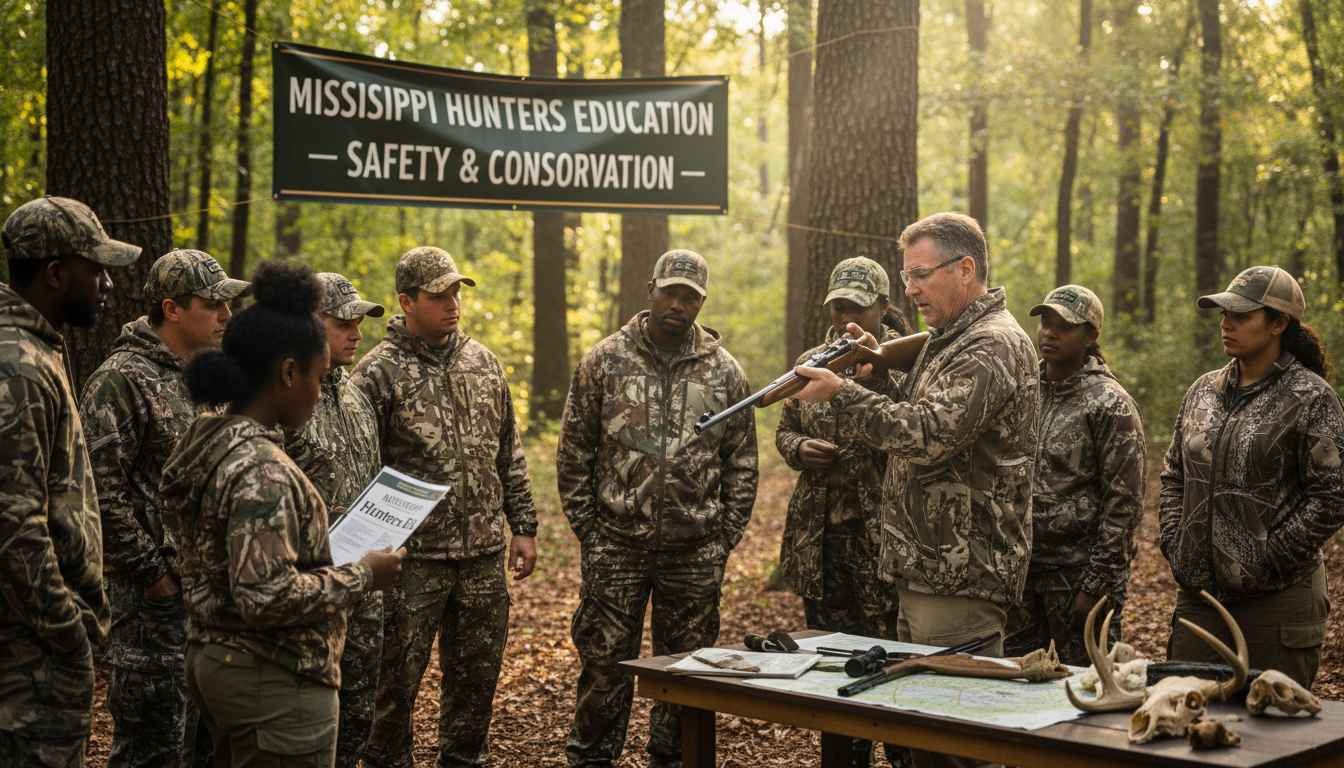
There’s a visceral thrill in uncovering a rare, highly credible source that perfectly supports your thesis, much like spotting a deer in the dense Mississippi woodland during early morning light. The source’s authenticity is immediately tangible, the crisp clarity of verified data, licensing information, and publication history shining through. When maintaining academic integrity, relying on trusted sources is non-negotiable. Peer-reviewed journals, government publications, and established institutional research provide the foundation of a credible argument. Consider a scenario where a student cites an obscure blog or unverified website; the repercussions are immediate, and the sense of urgency becomes a roaring drumbeat in the mind. By contrast, those who meticulously cross-check every fact, confirm the author’s credentials, and ensure sources are current experience a heightened confidence, bolstered by real-world evidence and industry standards. In parallel to preparing for activities such as mississippi hunters education, where safety, licensing, and verified instructions are paramount, the academic realm demands the same dedication to verified, trustworthy information. Every source you choose should be scrutinized for authority, reliability, and relevance, ensuring that your work not only meets but exceeds academic expectations.
Mastering Paraphrasing Without Losing Authenticity
Paraphrasing is both an art and a discipline, requiring a keen eye to retain the original intent while expressing ideas in your own voice. Picture the careful precision of a hunter in Mississippi tracking movement through a dense thicket – every step calculated, every misstep costly. Similarly, careless paraphrasing can transform diligent research into inadvertent plagiarism, a trap that jeopardizes academic integrity and your credibility. The key is to absorb the source material fully, allow it to resonate, and then articulate it authentically, weaving in your unique perspective while preserving factual accuracy. This meticulous approach ensures that the narrative remains coherent, engaging, and authoritative. Students often underestimate the importance of this skill, rushing through the process and leaving their work vulnerable. The urgency to master this technique mirrors the pressure experienced by participants in mississippi hunters education, where mastering safety, regulations, and ethical hunting practices is not just recommended – it’s required. By methodically practicing paraphrasing, consulting trusted style guides, and seeking feedback, you elevate your writing from merely functional to impeccably professional, reinforcing your academic credibility and demonstrating your commitment to ethical scholarship.
Proper Quotation: The Lifeline of Credible Research
Quotations serve as the backbone of academic integrity, allowing your audience to directly access the insights of experts while reinforcing your argument. Imagine the tactile sensation of turning a crisp, authoritative page in a peer-reviewed journal, the knowledge within brimming with verified evidence and careful analysis. Every time you integrate a quote, you’re anchoring your work in authenticity and demonstrating respect for intellectual property. Misusing quotations, either by altering meaning or neglecting attribution, is a perilous path that can instantly erode trust. The urgency to apply quotes correctly is reminiscent of the discipline instilled in mississippi hunters education, where every instruction is legally binding and safety-critical. By meticulously embedding quotes with context, citing them accurately, and balancing them with your own analysis, your writing becomes a living tapestry of scholarly rigor. This meticulous attention to detail not only preserves your academic reputation but also cultivates a FOMO-driven motivation: the knowledge that those who fail to uphold these standards risk exposure and permanent academic repercussions, while those who excel command respect and future opportunities.
Managing Citations with Precision and Foresight
Think of citations as a carefully mapped trail through a dense forest of knowledge, each marker guiding readers to the original source while asserting your ethical stewardship of information. Proper citation management is essential; it protects you from plagiarism and underscores your professional diligence. Visualize the methodical approach of marking your path during a Mississippi hunting trip – every turn logged, every trail noted. Tools like reference management software and meticulously maintained bibliographies ensure that every fact, statistic, and theory is accounted for, leaving no ambiguity. The urgency is tangible: missing or misformatted citations can undermine an entire argument, erasing credibility built painstakingly through rigorous research. Students who meticulously track their sources experience a sense of empowerment, knowing that each citation serves as a verifiable proof point. Engaging with structured guidelines, consulting style manuals, and confirming source reliability mirrors the strict protocols followed in mississippi hunters education, where verified training and documented knowledge are vital. By embracing precision in citation, you not only safeguard academic integrity but also position yourself as a credible, conscientious scholar whose work withstands scrutiny from peers and evaluators alike.
Recognizing and Avoiding Plagiarism Pitfalls
The specter of plagiarism looms like dense fog over a dawn-lit landscape, threatening to obscure your achievements and tarnish your reputation. Awareness and proactive avoidance are your shields. Plagiarism extends beyond intentional copying; it can be subtle, creeping in through improper paraphrasing, forgotten citations, or even over-reliance on certain sources. Envision the scenario of a student discovering an unintentional plagiarism issue days before submission – the panic is immediate, the sense of urgency almost suffocating. Understanding common pitfalls, using plagiarism detection tools, and adopting rigorous note-taking practices transforms a vulnerable student into a vigilant scholar. The urgency is reinforced by high-stakes environments, where outcomes can shape scholarships, admissions, and career trajectories. Similar to the strict compliance required in mississippi hunters education, ethical vigilance demands discipline, foresight, and continual self-assessment. By internalizing these habits, you cultivate a proactive mindset, avoiding the catastrophic consequences of academic misconduct while demonstrating unwavering commitment to integrity and professional standards.
Integrating Multiple Sources Seamlessly
Blending insights from multiple sources into a cohesive narrative is akin to orchestrating a symphony in the dense Mississippi wilderness, each note and movement carefully timed and executed. Effective integration requires discernment, ensuring that every cited study, expert opinion, and statistical datum complements your central argument rather than overwhelming it. The risk of fragmenting your work or introducing conflicting interpretations is high, and the urgency to maintain coherence is palpable. Students who succeed in harmonizing multiple perspectives often achieve a compelling, authoritative voice that elevates their work. The process demands meticulous planning: outlining themes, synthesizing evidence, and carefully layering source material with your analysis. The experience is comparable to mastering the meticulous regulations and verified techniques taught in mississippi hunters education, where skillful coordination and strict adherence to rules ensure safety and success. By mastering the art of seamless integration, your academic work becomes an immersive, evidence-backed journey, compelling readers to follow every meticulously documented step.
Developing a Culture of Ethical Scholarship
Maintaining academic integrity extends beyond individual assignments; it’s about cultivating a lifelong commitment to ethical scholarship. Imagine a community where each researcher, student, and professional upholds rigorous standards, their collective credibility forming an unshakable foundation of trust. The urgency to embrace this culture is immediate: ethical lapses are swiftly detected, shared, and remembered, potentially affecting not just one project but an entire career. Real-world experiences underscore this principle, as institutions with strong integrity cultures report fewer incidents of misconduct and higher overall academic performance. The proactive adoption of verified, licensed sources, meticulous citations, and rigorous verification mirrors the principles emphasized in mississippi hunters education, where ethical participation is non-negotiable. By embedding these practices into daily research habits, you create a personal and professional ecosystem of accountability, demonstrating excellence, expertise, and authority in every endeavor.
Call-to-Action: Secure Your Academic Reputation Today
The clock is ticking. Every moment of hesitation increases the risk of compromised credibility, lost opportunities, and professional setbacks. Don’t wait until a citation error, an unverified source, or a paraphrasing misstep undermines your hard work. Begin today: rigorously verify every source, embrace trusted references, and meticulously document every insight. Experience the same disciplined urgency emphasized in mississippi hunters education, where preparation, verification, and adherence to proven protocols guarantee success. Engage with verified resources, employ plagiarism detection tools, and consult style guides to ensure flawless execution. By acting now, you safeguard your academic future, cement your reputation as a reliable, ethical scholar, and transform every assignment into a testament of integrity. The FOMO is real – the students who hesitate risk falling behind in credibility, while proactive individuals seize every advantage, demonstrating excellence that resonates beyond the classroom.
