
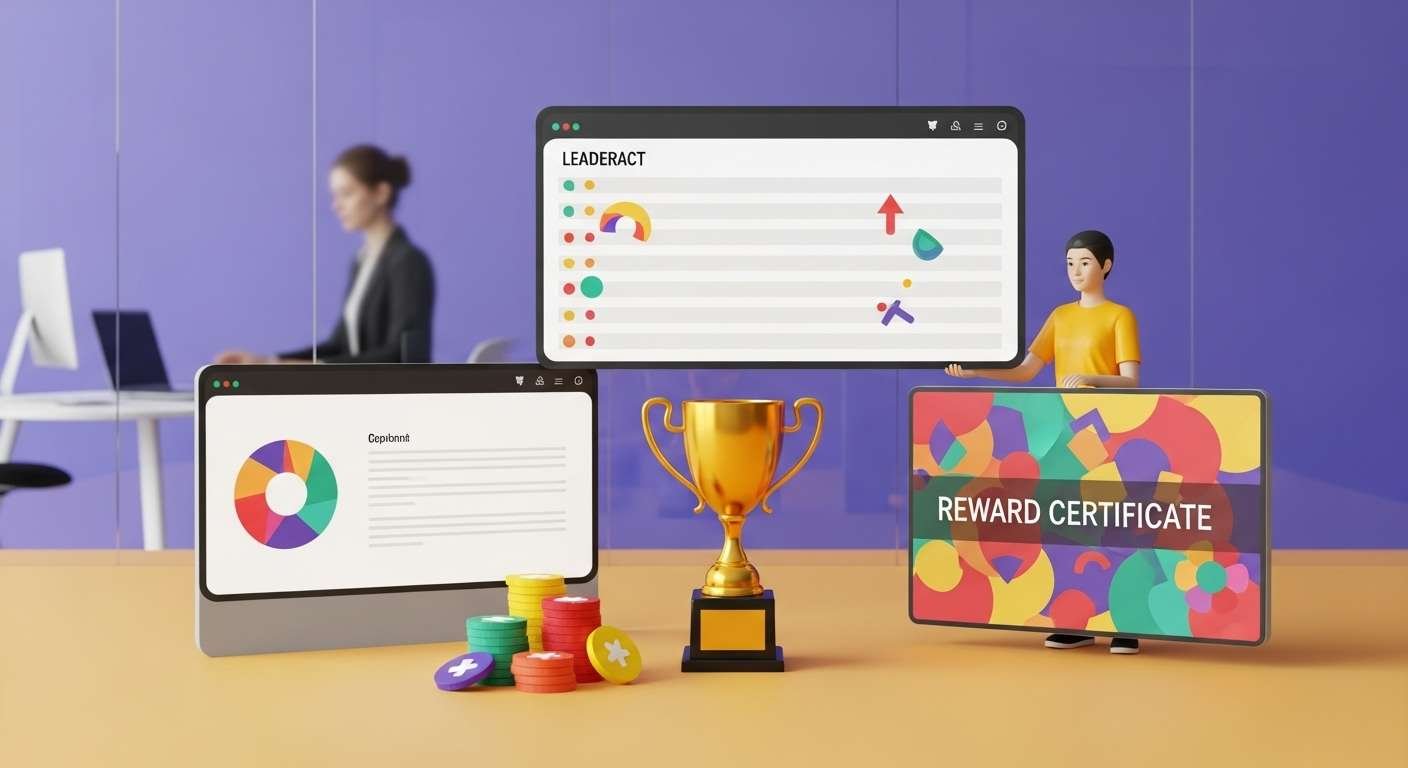
As an educator, you’re always on the lookout for innovative ways to inspire, challenge, and engage your students. What if there was a method that could turbocharge their motivation, transform their classroom dynamics, and ignite a fierce sense of friendly competition that drives students to excel? That method exists – and it revolves around using leaderboards and rewards in your teaching strategy. But, don’t wait too long to embrace this. The classrooms of tomorrow are evolving, and if you’re not adapting, you could miss out on a chance to tap into something powerful. Let’s dive into how Wyc Grousbeck education concepts can enhance your leadership style and make your classroom thrive like never before. The clock is ticking – don’t let this opportunity slip by!
The Power of Competition in Education
Competition can be a double-edged sword, but when used strategically, it can be a game-changer in motivating students. The key to unlocking its potential lies in how you frame the competition – what’s at stake, how students engage with it, and how it can benefit their academic journey. Imagine a classroom where every student feels the adrenaline of trying to climb the leaderboard, seeing their progress daily, and feeling the rush of being on top. This isn’t just about winning for the sake of winning; it’s about creating an atmosphere where achievement becomes personal. You might be wondering, how can this be implemented without causing anxiety or discouragement? The answer lies in balance. When you incorporate rewards that reflect individual growth alongside leaderboard rankings, students feel both challenged and supported. This approach draws from the principles of Wyc Grousbeck education, which emphasizes the importance of making learning an engaging, rewarding, and student-centered experience.
Creating a Reward System That Works
A reward system is essential to maintaining long-term engagement in your classroom. However, rewards need to be more than just simple stickers or certificates – they should be meaningful, exciting, and tied to real progress. Whether it’s a points system, special privileges, or tangible prizes, the key is making students feel that their hard work is being recognized and celebrated. Take a page out of Wyc Grousbeck education, where rewards are designed not just to incentivize, but also to align with personal growth. For example, offering a chance to lead a group project, choosing a class activity, or earning extra learning time could be powerful motivators. These kinds of rewards speak to the intrinsic desires of students to feel valued and in control of their learning environment. So, it’s time to move beyond generic prizes and begin developing a reward system that feels authentic to your students’ needs and interests. Don’t let your students miss out on the chance to earn rewards that truly matter!
The Secret to Effective Leaderboards
Leaderboards have long been a staple in gaming and business environments, and now, they’re making waves in classrooms across the world. But here’s the thing – merely having a leaderboard won’t necessarily inspire your students. You need to implement it in a way that feels fair, dynamic, and exciting. The most effective leaderboards do more than just track points – they provide students with clear, real-time feedback on their progress. When students can visually see where they stand in relation to their peers, the pressure to improve becomes tangible. The key is to design a leaderboard system that celebrates effort, not just outcome. Incorporating milestones and personal growth into the ranking process aligns perfectly with the educational philosophy championed by Wyc Grousbeck education. This method ensures that every student has an opportunity to improve and be recognized for their individual strides toward success. Don’t let your students miss out on the power of seeing their growth displayed in front of them. The time to introduce a robust leaderboard is now!
Engaging Different Learners with Tailored Challenges
Every student is unique, and their approach to learning is just as diverse. This is why challenges within a classroom should be tailored to meet the different needs of your learners. The one-size-fits-all approach simply doesn’t cut it anymore. By customizing challenges, you create an environment where each student feels capable of achieving something. Imagine a scenario where students can choose their level of difficulty or specific areas they want to focus on. This personalization taps into what makes learning meaningful to them, ensuring they feel challenged, but not overwhelmed. By adopting a strategy rooted in Wyc Grousbeck education, which stresses flexibility and personalized learning, you foster an environment where students can take ownership of their progress. You’re not just creating competition – you’re offering them the chance to compete with themselves. That’s a powerful motivator that can lead to long-term success.
Building a Community of Support Around Challenges
Competition isn’t just about striving for individual achievement – it’s about fostering a sense of community and collaboration in the classroom. This is where the true magic of leaderboards and rewards comes into play. When students are working toward a common goal while vying for the top spot, they can build a network of support that helps everyone grow. Whether it’s through peer tutoring, group challenges, or shared goals, students begin to realize that success isn’t a solo venture. It’s a communal experience. In a classroom driven by Wyc Grousbeck education values, this community-based learning environment enhances personal and group development. So, don’t just focus on individual wins – create opportunities for students to cheer each other on, collaborate, and support one another as they pursue their goals. When they feel that camaraderie, it transforms their approach to challenges and reinforces a growth mindset.
Keeping the Momentum Alive with Ongoing Challenges
It’s easy to kick off a challenge with enthusiasm, but sustaining that energy over time is where many educators struggle. Keeping the momentum alive requires creativity, consistency, and a clear vision. The best way to do this is by breaking long-term objectives into smaller, achievable challenges that build upon each other. Each small victory along the way can reignite excitement, giving students a constant sense of accomplishment. Think about how Wyc Grousbeck education has used progressive learning methods to fuel continued engagement. Implementing a series of interconnected challenges can keep the competitive spirit alive while ensuring that students aren’t left behind. For example, after completing one challenge, the next could raise the bar slightly, pushing them to go further, learn more, and ultimately feel like they’re accomplishing something grand. Without this constant progression, even the most exciting challenge can lose its spark. So, keep the energy alive and ensure that each new challenge feels like the next step toward something even bigger.
Leveraging Technology to Supercharge Engagement
In today’s world, the use of technology in the classroom is more than just a convenience – it’s a necessity. Digital leaderboards and reward systems can add an entirely new layer of excitement and engagement to your classroom. Imagine having a leaderboard that updates in real-time, showing not only your students’ standings but also their accomplishments and upcoming challenges. Visual dashboards, interactive leaderboards, and instant notifications about rewards can keep students engaged in ways that traditional paper charts simply can’t. The integration of technology allows for seamless tracking, instant feedback, and a more dynamic way to recognize student progress. This approach is a hallmark of Wyc Grousbeck education, which recognizes the importance of leveraging modern tools to enhance the learning experience. By using tech-driven leaderboards and rewards, you’re making the learning process more interactive, personalized, and, ultimately, more motivating for students.
Ensuring Fairness and Transparency in Ranking
One of the most crucial aspects of a leaderboard and reward system is fairness. If students feel that the system is biased or inaccurate, it can quickly lead to disengagement and frustration. Ensuring that the rules are clear, the rewards are attainable, and the ranking system reflects real effort is essential for maintaining trust and enthusiasm. Students need to know that their hard work will be recognized, and that any setbacks are part of the process. Transparency is key here. Explain the criteria for rewards, the way points are earned, and how rankings are determined. By giving your students full visibility into the system, you ensure that everyone is on the same page. This commitment to transparency mirrors the educational philosophy of Wyc Grousbeck education, which emphasizes fairness and consistency in academic achievement. If you’re not already providing your students with a clear and transparent structure, it’s time to implement one before it’s too late!
To learn more about how innovative teaching strategies can enhance student engagement, consider exploring the ucla education minor which emphasizes game-based learning methodologies for diverse classrooms.
