
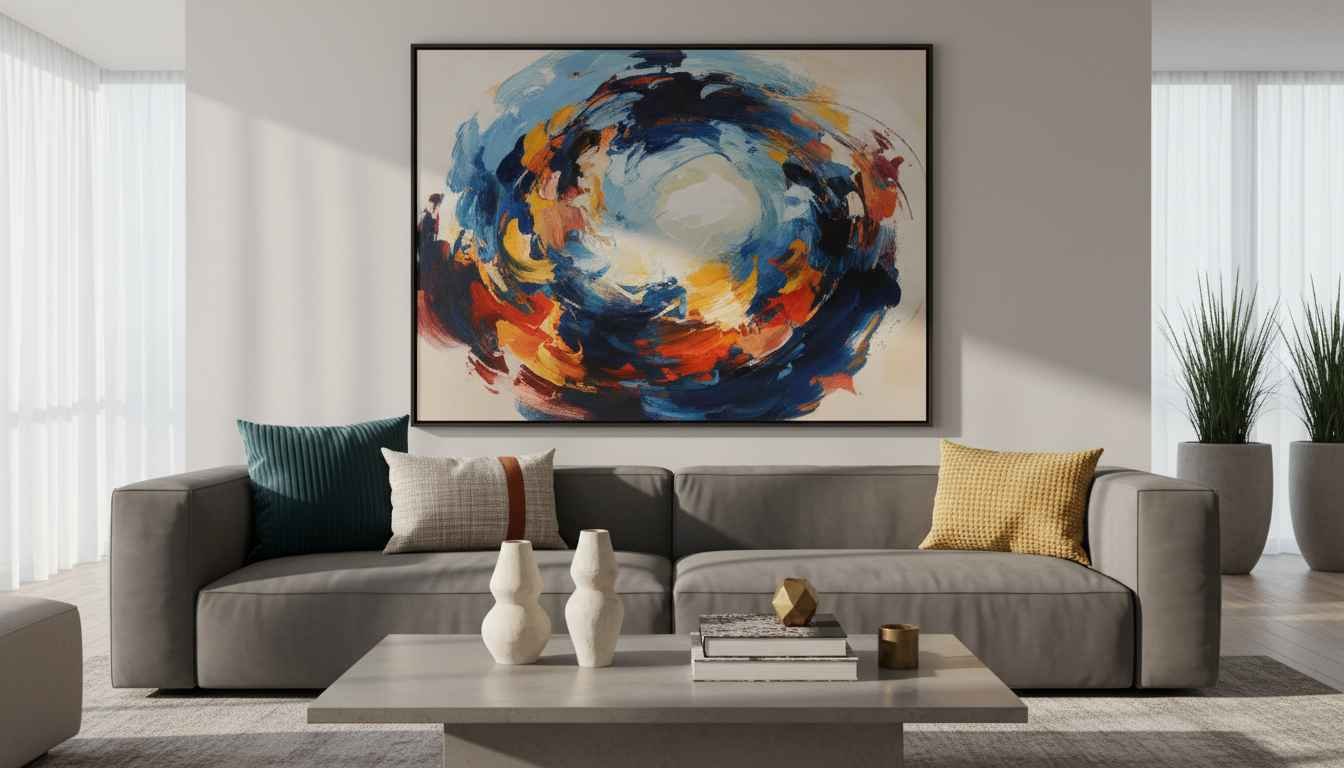
Ready? Set. Go. Step into the world of home goods abstract art, where everyday objects become canvases for imagination and bold expression. From throw pillows that resemble brushstrokes to ceramics echoing geometric abstractions, abstract art is no longer confined to galleries – it’s invading homes with style and substance. The latest trend blends functionality with visual intrigue, proving that practicality and aesthetics can coexist in perfect harmony.
Abstract art in home goods is more than decoration; it’s a statement. Designers are increasingly experimenting with form, color, and texture, turning mundane items like rugs, lamps, and even dinnerware into artful focal points. The beauty of abstract design lies in its versatility: a single piece can complement minimalist interiors, add punch to eclectic spaces, or even bridge contrasting color schemes. For busy parents and professionals, this is particularly appealing – style doesn’t require constant curation.
The market for abstract home goods has surged over the last five years. According to a 2025 study by the Home Decor Association, sales of abstract-themed home items grew by 28%, outpacing more traditional motifs. Millennials and Gen Z homeowners are leading this charge, drawn to the combination of personal expression and Instagram-ready aesthetics. Retailers are responding with limited-edition collections, artisanal collaborations, and customizable options, ensuring that no two homes look alike.
One standout development is the integration of sustainable materials. Brands are increasingly crafting abstract items from recycled textiles, reclaimed wood, and eco-friendly ceramics. This approach aligns with broader consumer values around environmental responsibility while retaining the bold visual impact that abstract art delivers. For those curious about historical influences, public art programs from the New Deal era can provide inspiration and context for understanding the evolution of abstraction in domestic spaces. For more on this legacy, explore Living New Deal, which documents how art and design have historically shaped everyday life.
Pros & Cons of Home Goods Abstract Art
✔ Adds visual interest to any room without overwhelming existing décor
✔ Versatile – works across modern, eclectic, and transitional styles
✔ Encourages creativity and personal expression in design choices
In today’s digital age, artists of all backgrounds are finding new ways to connect, share, and collaborate online. With the vast array of platforms available, it can be overwhelming to navigate the landscape of creative communities. Whether you’re a painter, digital artist, or sculptor, joining the right online space can significantly enhance your skills and expand your network. Our article, titled Best Online Art Communities Quick Start Cheat Sheet, aims to simplify this process by highlighting some of the best online art communities that cater to your artistic needs. By understanding where to focus your efforts, you can foster your creativity and find inspiration among like-minded individuals.
✘ Can be polarizing – abstract forms may not suit everyone’s taste
✘ High-quality pieces can be expensive due to artisanal production
✘ Trends shift quickly, risking items feeling dated within a few years
Who Should Avoid This
Abstract home goods aren’t for everyone. If you prefer classic, symmetrical designs or a cohesive color palette without bold interruptions, these pieces might feel chaotic or out of place. Additionally, those with limited storage or frequent lifestyle changes may find it challenging to invest in statement pieces that require dedicated display space. Practicality should always weigh against visual appeal.
Current Market Trends
From hand-painted ceramics to digital-print textiles, the abstract trend is expanding into multiple categories. Lighting is a notable example: sculptural lamps with asymmetrical forms act as both illumination and art. Furniture is another frontier, with side tables, chairs, and shelving units featuring abstract shapes and mixed materials. Retailers like West Elm, CB2, and independent studios are pushing the envelope, blending minimalism with maximalist accents in ways that feel curated yet effortless.
Color palettes are also evolving. While black-and-white abstractions remain popular for their timelessness, bold primary colors and muted earth tones are gaining traction. Layering these pieces with more traditional items adds dimension and keeps interiors dynamic without overwhelming the space. Abstract art in home goods is increasingly viewed as a lifestyle choice, reflecting personal tastes, cultural awareness, and even environmental consciousness.
Future Outlook
The trajectory for home goods abstract art is strong. As technology enables mass customization and on-demand production, consumers can access personalized designs at affordable prices. AI-assisted design tools and 3D printing are making it possible to bring unique abstract visions to life, from furniture to decorative objects. Sustainability, individuality, and social media visibility will continue to drive demand, cementing abstract art’s role as a staple in contemporary homes.
Ultimately, integrating abstract art into home goods transforms living spaces into expressive, visually engaging environments. It balances form and function, offering both aesthetic pleasure and practical utility. For anyone looking to modernize interiors, abstract pieces provide a conversation starter, a burst of creativity, and a timeless link to the evolving narrative of art in everyday life.
