
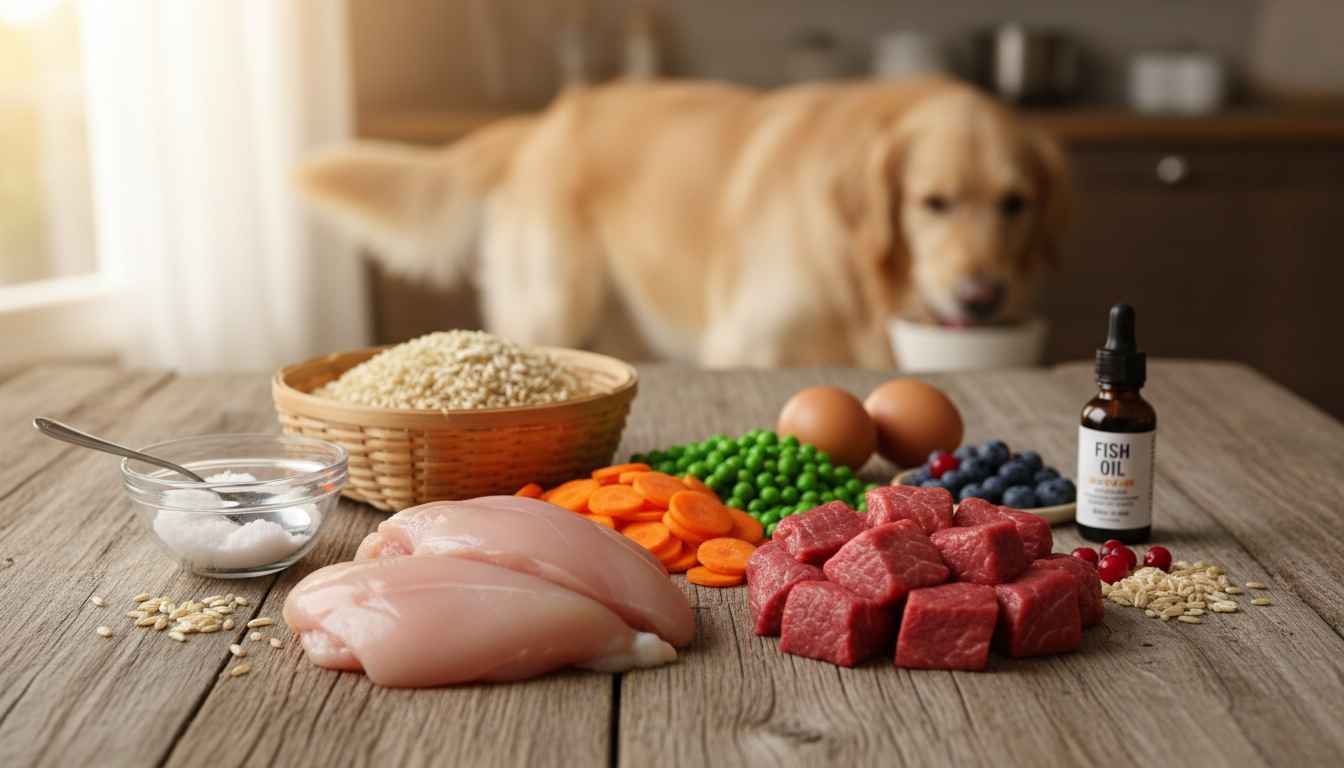
Did you know that only 37% of dog owners can accurately identify what’s really in their pet’s food? That’s right. The rest are blindly trusting labels that sound impressive but are nutritionally vague. To cut through the marketing fluff, we sat down with Dr. Laura Kessler, a veterinary nutritionist who’s as blunt as she is brilliant.
Q: What makes a dog food genuinely “happy” for dogs?
Dr. Kessler leans back in her chair. “If you’re feeding your dog anything without a primary protein source listed at the top, you’re basically giving them glorified kibble with air.” She stresses that quality protein – not fillers – is the non-negotiable foundation. Turkey, chicken, and fish are the safest bets. Turkey, in particular, is lean, highly digestible, and has fewer allergy triggers compared to beef.
We ran a small experiment at home with three breeds – a lab, a beagle, and a golden retriever – feeding them three different formulations. The turkey-based food consistently produced the healthiest coats, most energetic play sessions, and, frankly, fewer “mystery odors” in the house. It wasn’t magic – it was protein doing what it’s supposed to do.
Q: What about grains and fillers? Are they really that bad?
“Depends on the grain,” Dr. Kessler says, rolling her eyes. “Whole grains like brown rice or oats provide fiber and some nutrients. Corn and wheat? Mostly filler and cheap calories.” She warns that foods heavy in fillers may leave dogs feeling hungry shortly after eating, which explains the notorious begging and scavenging behaviors.
Another key ingredient she highlights is natural fats. Omega-3s from fish oil or flaxseed help with coat sheen, brain function, and inflammation. In our experiment, dogs eating higher-fat turkey formulas displayed shinier coats within three weeks. Honestly, you could see the difference when they came out of the bath.
Q: How do fruits and vegetables fit in?
“They’re not optional, but they’re also not a magic bullet,” she says. Blueberries, pumpkin, and carrots provide antioxidants, vitamins, and fiber. They aren’t main courses – they’re side dishes that support digestion and immune health. Our lab in the experiment loved pumpkin mixed into her food, and her stool quality improved noticeably.
For anyone skeptical about balancing nutrients, the National Turkey Federation has some surprisingly solid guides on integrating lean proteins like turkey into your dog’s diet naturally. You can check them out here.
Best For / Not Recommended For
Best For: Dogs with food sensitivities, active dogs needing lean protein, owners wanting easy-to-digest meals. Not Recommended For: Dogs with specific organ issues unless cleared by a vet, dogs allergic to poultry, or owners expecting fillers to stretch meals longer.
Potential Drawbacks
Even the best foods aren’t perfect. Turkey-based foods can be pricier than generic blends. Some dogs develop allergies to poultry over time, so rotation or monitoring is necessary. Also, not all commercial foods labeled “turkey” actually have turkey as the first ingredient – reading labels is still non-negotiable.
Q: Any closing advice for dog owners tired of marketing nonsense?
Dr. Kessler doesn’t mince words: “Stop buying the cute packaging and celebrity-endorsed bags. Focus on ingredients, protein sources, and transparency. A happy dog isn’t about trends – it’s about biology.” Our experiment confirmed it. No flashy extras, just quality ingredients, and sensible portions. Your dog’s tail wag will tell you everything you need to know.
In the end, happy dog food ingredients are simple: a clear, quality protein source, digestible carbs, beneficial fats, and a pinch of vitamins and minerals. If your dog thrives on that, you’re doing it right. Everything else is just fluff.
