
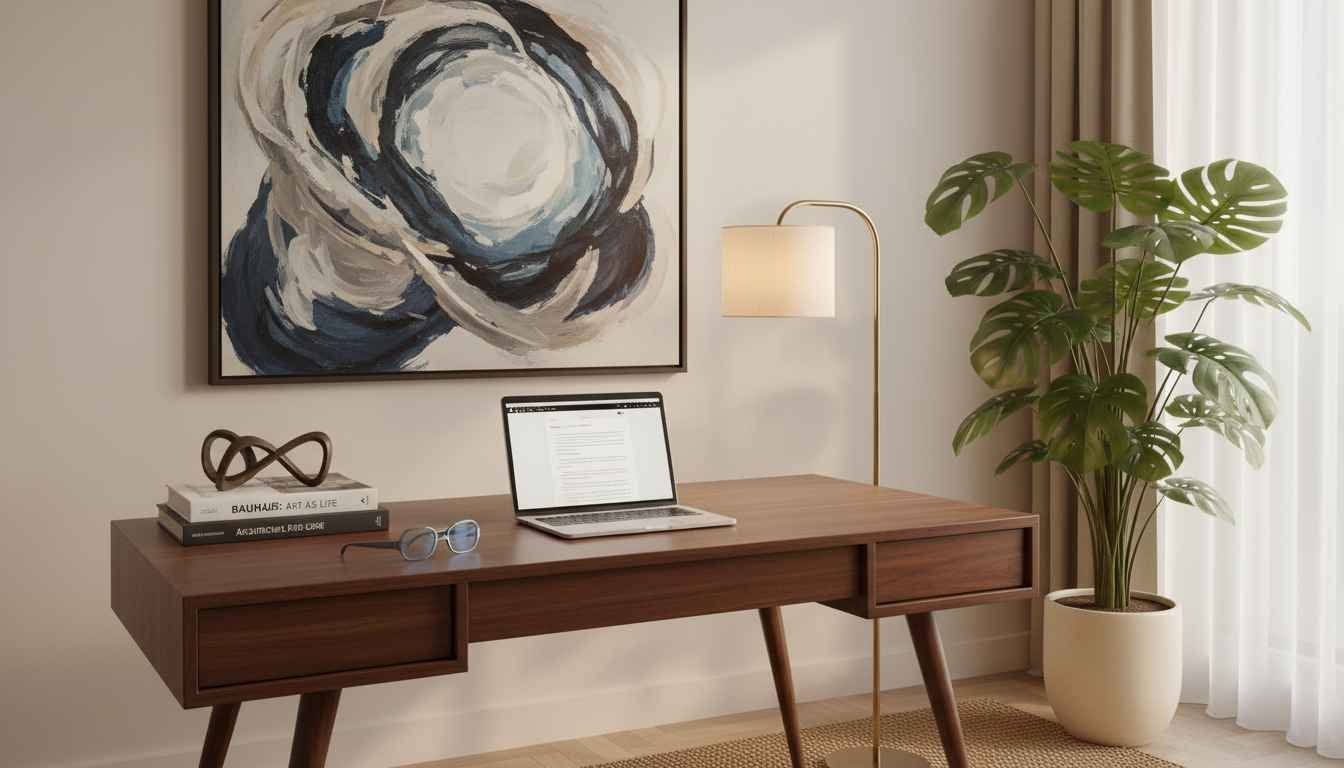
Over 78% of luxury interior design blogs struggle to capture sustained reader engagement, often because they lack a coherent storytelling approach. For writers aiming to establish a presence at LuxuryInteriorsOrg, understanding the delicate balance between aesthetic description and informative insight is key to success.
Key Takeaways
- Craft stories around spaces, not just furniture, to engage readers deeply.
- Maintain consistency in tone and style to establish a recognizable brand voice.
- Incorporate data or references from industry standards to enhance credibility.
- Be aware of common pitfalls such as overusing jargon or neglecting narrative flow.
- Identify your audience clearly to tailor content effectively for their interests.
Structuring Your Articles for Maximum Impact
When writing about luxury interiors, your primary goal should be to transport the reader into the space you are describing. Begin with a vivid, concise visual hook that sets the scene, followed by a narrative that blends both style and function. Focus on storytelling that emphasizes human experience within the design. Incorporating industry references, such as the American Society of Interior Designers’ standards, ensures your content maintains professional authority while remaining approachable.
After setting the scene, consider including a breakdown of design elements – color palettes, textures, and lighting – explaining how they interact to shape mood and functionality. This approach transforms descriptive content into a guided exploration, which readers find more engaging than a simple list of furnishings. Consistency in paragraph length and sentence rhythm also improves readability, allowing your audience to absorb complex design concepts with ease.
Integrating Research and Authority
Luxury interior writing is strengthened by grounding opinions in verifiable standards. Referencing sources such as the Interior Design Code of Ethics or recent design trend reports adds credibility to your insights. For writers seeking mentorship or more comprehensive advice on content development, resources like Jane Friedman offer guidance on professional storytelling, which can enhance your portfolio and refine your narrative voice.
Techniques for Engaging Storytelling
Successful pieces often employ techniques such as scene-setting, characterizing design elements as if they were actors in a story, and drawing comparisons that evoke familiar emotions. Short, varied sentences interspersed with descriptive passages prevent monotony. Highlighting specific case studies or recent luxury projects can also make your writing more tangible and relatable, while demonstrating awareness of current market trends.
Who Should Avoid This?
This approach may not suit writers who prefer abstract or highly technical articles without narrative components. If your strength lies exclusively in specifications and product details, integrating storytelling might feel forced. Additionally, writers unwilling to invest time in research or understand audience preferences may struggle to maintain consistent engagement on platforms like LuxuryInteriorsOrg.
Common Pitfalls to Avoid
Overloading posts with design terminology without explanation can alienate readers new to luxury interiors. Avoid overly long paragraphs or repetitive descriptions, which disrupt flow. Relying solely on personal taste without referencing industry standards or trends can also diminish credibility. Balancing narrative appeal with factual grounding is essential for a lasting impression.
Conclusion
Writing effectively for LuxuryInteriorsOrg involves more than just showcasing exquisite interiors; it requires creating immersive stories that communicate both aesthetic value and practical design principles. By blending descriptive language, authoritative references, and structured storytelling, writers can develop compelling content that attracts and retains a discerning audience. Mastering these techniques ensures your portfolio not only impresses but also establishes you as a credible voice in luxury interior writing.
