
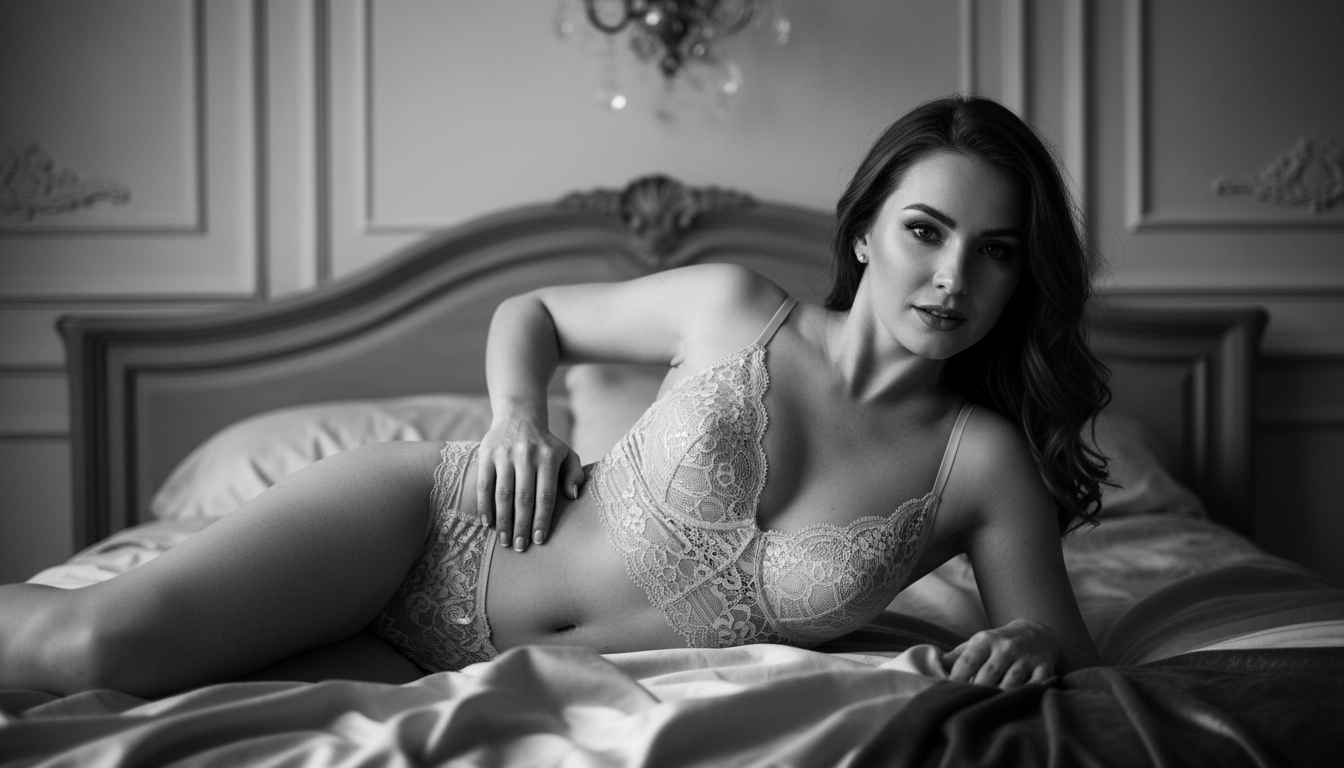
87% of professional photographers report that clients respond most emotionally to black and white boudoir photography compared to color sessions. This statistic underscores the enduring allure of monochromatic imagery, where light, shadow, and texture become the language of intimacy and elegance. Black and white boudoir photography strips away distractions, revealing the raw essence of human form and emotion, creating images that are both timeless and evocative.
At its core, black and white boudoir photography is about mastering contrast and understanding the interplay between highlights and shadows. The absence of color places emphasis on composition, skin tones, and the delicate nuances of fabric, lace, and light on the body. Achieving this requires both technical precision and an artistic eye, making it essential to work with photographers experienced in monochrome techniques.
Lighting is paramount in this genre. Natural window light, softbox setups, or carefully positioned reflectors can sculpt the body in ways that accentuate curves and contours without harshness. High contrast lighting can add drama, while soft, diffused light creates a romantic, ethereal feel. Understanding the difference and knowing when to apply each is a skill honed over years of practice.
The choice of setting also influences the tone of black and white boudoir photography. Minimalist interiors, vintage furniture, or textured backdrops can enhance the visual narrative. Fabrics such as silk, velvet, or lace translate beautifully in monochrome, offering depth and richness that color photography may dilute. It is this attention to tactile detail that elevates a session from mere documentation to fine art.
Camera settings play a critical role in capturing compelling black and white images. Shooting in RAW format ensures maximum control during post-processing. Adjusting contrast, exposure, and clarity in editing software allows photographers to fine-tune the mood and maintain tonal balance. Many professionals also utilize specific monochrome profiles in their cameras to preview the final effect, which can guide composition and lighting decisions in real time.
One aspect often overlooked is client comfort and direction. Black and white boudoir photography thrives on authenticity, so creating a relaxed environment is essential. Posing should be intuitive, guided by subtle gestures rather than rigid instructions. Encouraging clients to interact naturally with their surroundings or with the photographer can capture candid moments that resonate with emotional depth.
Retouching in black and white photography demands a delicate approach. Unlike color photos, minor flaws or blemishes are more noticeable in monochrome due to the stark contrast. Techniques such as frequency separation, dodge and burn, and selective sharpening can enhance skin texture while preserving realism. The goal is to highlight beauty, not create artificial perfection.
For those seeking to preserve memories, digital archiving is vital. Professional services like Capture offer high-quality digitization solutions, ensuring black and white boudoir images retain their tonal integrity over time. Preservation is particularly important as prints age, allowing future generations to experience the same emotive power originally captured.
Pros and Cons of Black and White Boudoir Photography
Pros:
✔ Timeless and classic aesthetic that never feels dated
✔ Emphasizes texture, form, and emotion over color distractions
✔ Creates a strong visual impact suitable for fine art presentation
✔ Easier to unify different lighting conditions through tonal control
When it comes to capturing the essence of a wedding day, the choice of photography style can make all the difference. Traditional wedding photography often focuses on posed shots and standard moments, but many couples are now seeking something more dynamic and artistic. This shift has led to the rise of editorial style wedding photography, which blends stunning imagery with storytelling elements. This approach not only highlights the intricate details of the day but also encapsulates the emotions and interactions among guests, creating a visual narrative that resonates long after the event has concluded. In this article, we will explore how this innovative style can elevate every moment of your wedding celebration, leaving you with timeless memories to cherish.
Cons:
✖ Limited expressive range without color variations
✖ Requires advanced understanding of lighting and contrast
✖ Minor flaws or skin imperfections may be more noticeable
✖ Some clients may prefer the vibrancy and warmth of color images
Who Should Avoid Black and White Boudoir Photography
While black and white boudoir photography is widely celebrated, it may not be suitable for everyone. Clients seeking vibrant color palettes or a more playful mood may find monochrome limiting. Additionally, individuals uncomfortable with intimate or sensual imagery might not benefit from the heightened emotional focus of black and white portraits. Understanding these preferences is crucial before committing to a session.
Styling Tips for Monochrome Boudoir
Choosing wardrobe and props that translate well in black and white is essential. Fabrics with texture such as lace, satin, or knitted garments render beautifully. Accessories should complement rather than distract; simple jewelry or vintage pieces often work best. Hairstyles and makeup can also be tailored to enhance shadows and highlights on the face and body, ensuring every element contributes to the overall aesthetic.
Incorporating furniture, drapes, or other textured backgrounds can add depth to compositions. Classic pieces such as tufted chairs, ornate mirrors, or wooden floors provide visual interest without overwhelming the subject. The interplay between background elements and the model should feel natural, allowing the subject to remain the focal point.
Post-Processing Techniques
Advanced editing can elevate black and white boudoir images from professional to gallery-ready. Adjusting exposure and contrast is foundational, but subtler techniques make a significant difference. Dodging and burning can enhance body contours, create dimensionality, and guide the viewer’s eye. Grain can be added to emulate film texture, reinforcing the vintage aesthetic. Every edit should respect the subject’s natural form while enhancing the mood.
Color toning is another tool used in monochrome editing. Sepia or cool silver tones can evoke specific emotions and eras, adding narrative depth to a session. Fine-tuning shadows and highlights ensures that details in both the darkest and lightest areas remain visible, which is essential for preserving texture and maintaining professional quality.
The Emotional Power of Black and White Boudoir
Beyond technique, black and white boudoir photography resonates because it tells a story without distractions. It focuses on emotion, vulnerability, and confidence. The starkness of monochrome captures subtleties of expression, posture, and gesture that color images might overshadow. For clients, this often translates to a heightened sense of intimacy and self-empowerment.
Clients and photographers alike have found that black and white sessions often feel more artistic, providing a sense of sophistication and timelessness. Whether intended as personal keepsakes or fine art prints, the emotional resonance of these images often outlasts trends and technology changes.
Conclusion
Black and white boudoir photography is a specialized art form that combines technical mastery with emotional storytelling. Its ability to capture timeless beauty and convey intimacy makes it a powerful medium for personal expression. While not suitable for every client or situation, its enduring appeal lies in the subtle interplay of light, shadow, and texture. With careful planning, expert guidance, and proper preservation, these images remain striking and evocative for years to come.
Readers who enjoyed this post also found value in How to Speak — a must-read for anyone interested in this subject.
As we explore the profound impact of visual art forms like black and white boudoir photography, it’s fascinating to consider how technology is similarly transforming other creative landscapes. For instance, mixed reality in entertainment events is redefining the live experience, blending the physical and digital worlds to create immersive environments that captivate audiences in unprecedented ways.
