
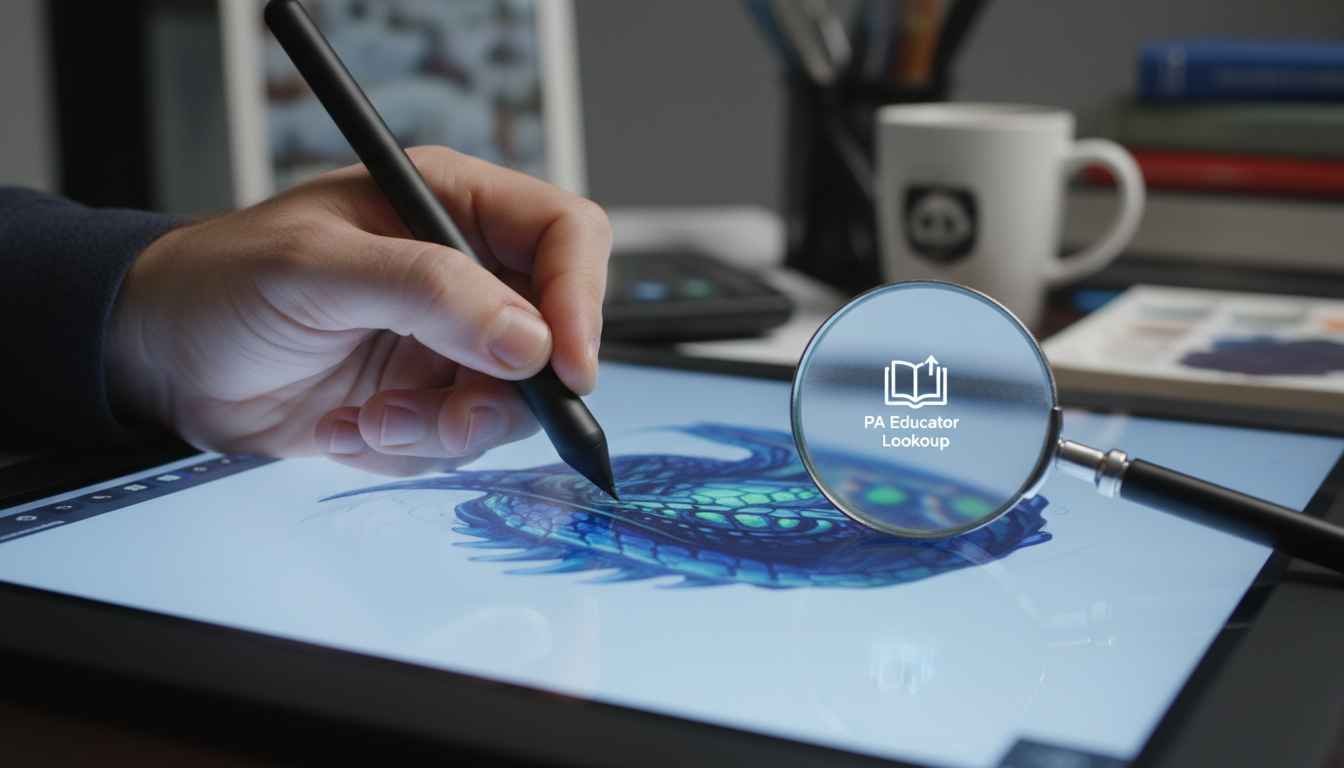
In the ever-evolving realm of digital art, the pursuit of mastery is both exhilarating and essential. The digital canvas offers an expansive horizon for artists to explore, but without the right techniques and mindset, one can easily become lost in its vastness. This guide delves deep into the methodologies and philosophies that can transform a novice into a virtuoso, ensuring that your artistic creations are not just seen but felt.
Understanding the Digital Canvas: Beyond the Surface
The digital canvas is not merely a backdrop; it’s a dynamic space where imagination meets technology. Unlike traditional mediums, the digital realm offers infinite possibilities, allowing artists to experiment without the constraints of physical materials. However, this freedom can be overwhelming. To harness the full potential of digital painting, one must first understand the tools at their disposal. From the pressure sensitivity of styluses to the vast array of brushes and textures available in software like Photoshop or Procreate, each tool offers unique capabilities. Mastery begins with familiarizing oneself with these tools, understanding their nuances, and learning how to manipulate them to bring one’s vision to life.
Moreover, the digital canvas requires a different approach to composition and layering. Artists can work non-destructively, making adjustments without compromising the integrity of their work. This flexibility encourages experimentation and innovation, allowing for the creation of complex compositions that would be challenging in traditional mediums. Embracing this aspect of digital painting opens up new avenues for creativity, enabling artists to push boundaries and explore uncharted territories in their art.
Mastering Core Techniques: The Foundation of Digital Art
Before embarking on complex projects, it’s crucial to master the fundamental techniques that underpin digital painting. These include understanding light and shadow, color theory, and brushwork. Light and shadow play a pivotal role in creating depth and dimension in digital art. By studying how light interacts with objects and how shadows are cast, artists can add realism and drama to their paintings.
Color theory is equally important. The ability to choose and combine colors effectively can evoke specific emotions and set the mood of a piece. Understanding the color wheel, complementary colors, and color harmony allows artists to create visually appealing compositions that resonate with viewers.
Brushwork is another essential skill. The digital medium offers a plethora of brushes, each with its unique texture and behavior. Experimenting with different brushes and understanding their effects can add richness and variety to a painting. Whether it’s the soft blend of a watercolor brush or the sharp strokes of an ink pen, mastering brushwork enhances the overall quality of digital art.
Embracing Layering and Non-Destructive Editing
One of the most significant advantages of digital painting is the ability to work with layers. Layers allow artists to separate different elements of their painting, making it easier to edit and refine specific areas without affecting the entire composition. This non-destructive approach encourages experimentation and risk-taking, as mistakes can be easily corrected.
Effective use of layers involves organizing them logically, naming them appropriately, and grouping related layers together. This organization ensures that the workflow remains efficient and manageable, especially when working on complex projects. Additionally, utilizing layer blending modes can create various effects, such as shadows, highlights, and textures, adding depth and interest to the painting.
Non-destructive editing extends beyond layering. Techniques like masking, adjustment layers, and smart objects enable artists to make changes without permanently altering the original artwork. This flexibility is invaluable, allowing for continuous refinement and improvement throughout the creative process.
Exploring Advanced Techniques: Pushing the Boundaries
Once the foundational techniques are mastered, artists can delve into advanced methods to elevate their digital paintings. These include photobashing, custom brush creation, and 3D integration. Photobashing involves incorporating photographic elements into a painting to add realism and detail. This technique requires careful blending and adjustment to ensure that the added elements seamlessly integrate with the painted portions.
Creating custom brushes allows artists to develop unique textures and effects that align with their artistic style. By modifying existing brushes or designing new ones from scratch, artists can achieve distinctive looks that set their work apart.
Integrating 3D elements into digital paintings adds another layer of depth and realism. By using 3D models as references or incorporating them directly into the artwork, artists can create complex scenes with accurate lighting and perspective. This approach is particularly useful in concept art and illustration, where realism and detail are paramount.
Developing a Personal Style: The Signature of an Artist
While mastering techniques is essential, developing a personal style is what makes an artist’s work recognizable and unique. A personal style reflects an artist’s preferences, influences, and experiences, and it evolves over time. To cultivate a personal style, artists should experiment with different techniques, subjects, and color palettes. Observing the works of other artists can provide inspiration, but it’s crucial to infuse one’s personality into the artwork.
Consistency is key in developing a personal style. By regularly practicing and refining techniques, artists can establish a cohesive body of work that showcases their distinctive approach. Additionally, seeking feedback from peers and mentors can provide valuable insights and help identify areas for improvement.
Embracing one’s individuality and allowing it to shine through in the artwork leads to the creation of pieces that are not only technically proficient but also emotionally resonant and memorable.
Staying Inspired: Overcoming Creative Blocks
Every artist encounters periods of stagnation or creative blocks. During these times, it’s essential to find ways to reignite inspiration. Exploring new subjects, experimenting with different mediums, and stepping outside one’s comfort zone can provide fresh perspectives and ideas. Engaging with the art community, attending workshops, and collaborating with other artists can also stimulate creativity and offer new challenges.
Maintaining a sketchbook or digital journal is an effective way to document ideas, experiments, and progress. This practice serves as a visual diary, capturing moments of inspiration and reflecting on artistic growth. Revisiting past works can provide insights into one’s evolution and spark new directions for future projects.
Remember, creative blocks are a natural part of the artistic journey. Embracing them as opportunities for growth and exploration can lead to breakthroughs and renewed passion for art.
Building a Portfolio: Showcasing Your Mastery
A well-curated portfolio is essential for showcasing one’s skills and attracting potential clients or employers. The portfolio should highlight a range of works that demonstrate proficiency in various techniques and subjects. Including personal projects alongside commissioned works can provide insight into the artist’s versatility and creativity.
When compiling a portfolio, quality is more important than quantity. Select pieces that best represent your abilities and artistic vision. Each piece should be accompanied by a brief description, providing context and insight into the creative process.
In the digital age, an online portfolio is crucial. Platforms like Behance, ArtStation, and personal websites allow artists to reach a global audience and connect with industry professionals. Regularly updating the portfolio with new works ensures that it remains relevant and reflective of the artist’s current skill level.
Continuous Learning: Evolving with the Art Form
The world of digital painting is constantly evolving, with new tools, techniques, and trends emerging regularly. To stay ahead, artists must commit to continuous learning. This involves staying informed about industry developments, experimenting with new technologies, and seeking out educational resources.
Online courses, tutorials, and workshops offer opportunities to learn from experienced artists and expand one’s skill set. Engaging with online communities and forums allows artists to share knowledge, receive feedback, and stay motivated.
Attending art exhibitions, conferences, and conventions provides exposure to diverse artistic styles and fosters networking opportunities. Interacting with fellow artists and industry professionals can lead to collaborations and open doors to new opportunities.
By embracing a mindset of lifelong learning, artists can adapt to changes in the industry and continue to grow and innovate in their craft.
Conclusion: Your Journey to Artistic Mastery
Mastering digital painting is a journey that requires dedication, practice, and a passion for creativity. By understanding the digital canvas, mastering core techniques, embracing advanced methods, developing a personal style, staying inspired, building a portfolio, and committing to continuous learning, artists can unlock their full potential and create unique artistic creations that resonate with audiences.
The digital realm offers endless possibilities for artistic expression. Seize the opportunity to explore, experiment, and evolve. Your masterpiece awaits.
If you are exploring innovative ways to integrate visual storytelling into your curriculum, consider how rn educator positions can leverage photography to inspire creativity in students.
If you want to elevate your design skills while exploring various creative tools, consider how utah hunters education can provide valuable resources and insights into mastering illustration software.
If you want to elevate your video projects, exploring cer education can provide you with essential techniques and insights into motion graphics design.
